Beyond the Pixels: How Nintendo Forged the Future of Play, One Console at a Time
"Innovation distinguishes between a leader and a follower," Steve Jobs once famously remarked, a sentiment that perfectly encapsulates the enduring legacy of Nintendo. For decades, this Japanese powerhouse has not merely participated in the electronic gaming industry; it has consistently redefined it. From the humble beginnings of its playing card origins to the global phenomenon of the Switch, Nintendo's trajectory is a masterclass in technological foresight, creative brilliance, and an unwavering commitment to fun. Their journey illustrates a profound understanding of what captivates players, pushing boundaries not just in hardware, but in the very essence of interactive entertainment. This exploration delves into how Nintendo has perpetually led with groundbreaking products, forever altering our perception of "play."
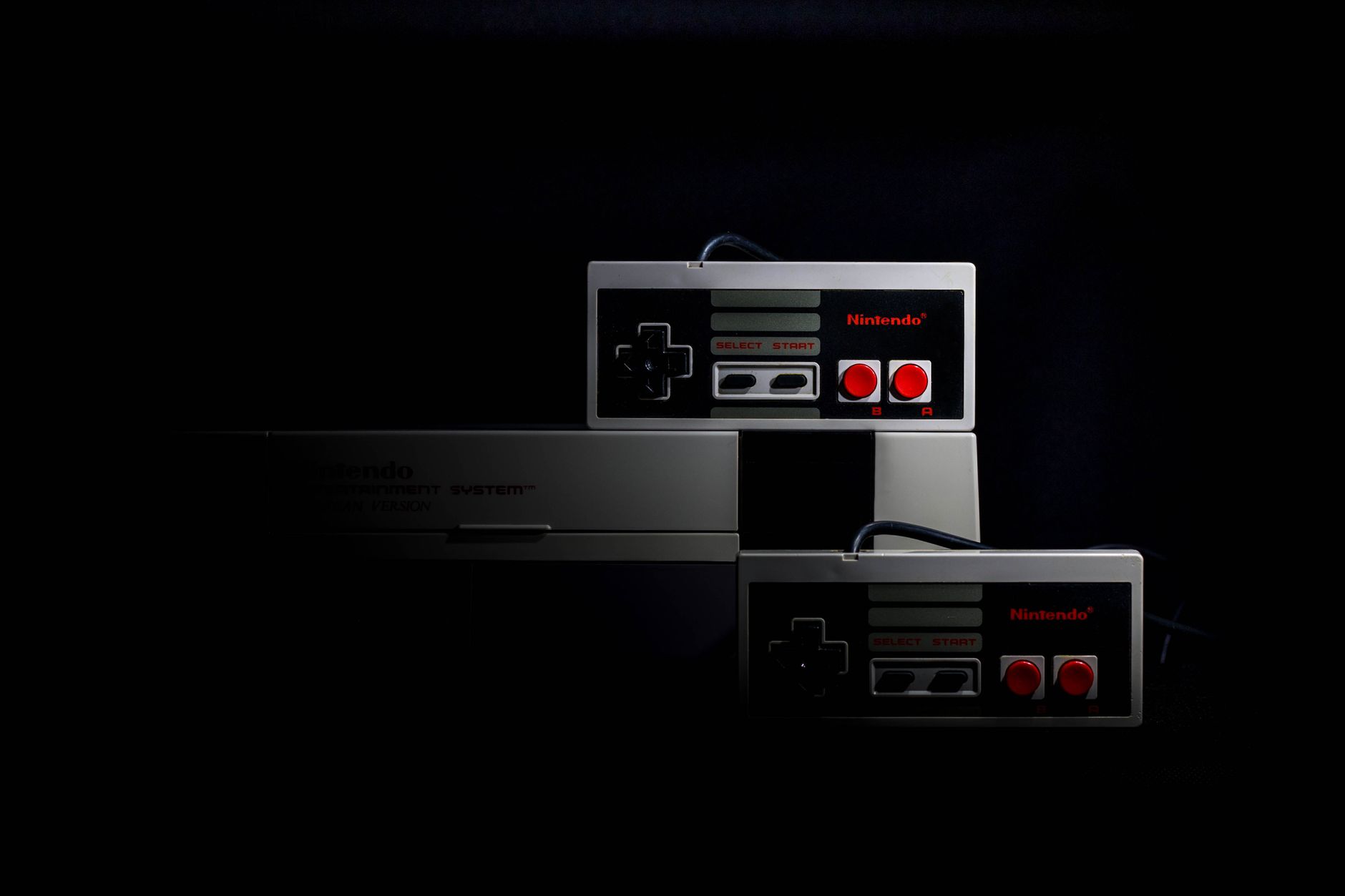
Photo by Tomasz Filipek on Pexels
What Defines Nintendo's Enduring Appeal in a Volatile Market?
Nintendo's enduring appeal lies in its unique philosophy: prioritizing novel gameplay mechanics and intuitive user experiences over raw graphical power. While competitors often chased cutting-edge processing and hyper-realistic visuals, Nintendo frequently opted for accessible, family-friendly design coupled with innovative control schemes. This strategic divergence allowed them to carve out distinct market niches and attract broader audiences, often including individuals who might not consider themselves "gamers." Think of the original Wii's motion controls, which invited living rooms across the globe to participate in virtual sports and adventures. This focus on engagement rather than brute force has been a constant throughline, establishing a brand identity synonymous with joyful, shared experiences. It's a testament to their ability to continuously reinvent interactive entertainment paradigms.
How Did Nintendo's Early Innovations Pave the Way for Modern Gaming?
Nintendo's journey into electronic gaming began with a series of arcade hits and handheld devices that were revolutionary for their time. The release of the Famicom (known as the Nintendo Entertainment System in the West) in 1983 was a watershed moment, effectively reviving a video game market reeling from the crash of 1983. Its robust hardware, coupled with stringent quality control over third-party software, ensured a vast library of high-quality titles that captivated millions. Games like Super Mario Bros. not only established iconic characters but also introduced platforming mechanics that became industry standards. This era solidified Nintendo's reputation for creating engaging, polished experiences that were both challenging and accessible.
The Famicom’s success demonstrated the commercial viability of dedicated home consoles, laying the foundation for every gaming system that followed, from their own subsequent consoles to those of competitors.
Photo by Roberto Lee Cortes on Pexels
What Was the Technological Leap from Famicom to Nintendo 64?
The transition from the 8-bit Famicom to the 64-bit Nintendo 64 marked a colossal technological leap, pushing the industry into the realm of true 3D gaming. While other companies experimented with 3D, the Nintendo 64, released in 1996, standardized many conventions still in use today. Its groundbreaking analog stick on the iconic three-pronged controller offered unprecedented precision in controlling 3D camera angles and character movement, a mechanic that became essential for titles like Super Mario 64 and The Legend of Zelda: Ocarina of Time. These games didn't just present 3D worlds; they fundamentally reshaped how players interacted with them, setting new benchmarks for open-world design and immersive storytelling. This era showcased Nintendo's willingness to invest heavily in novel hardware interfaces to unlock new gameplay possibilities.
How Did Handheld Gaming Evolve Under Nintendo's Leadership?
Nintendo's influence isn't confined to living rooms; their dominance in handheld gaming is equally profound. The original Game Boy, launched in 1989, popularized portable gaming with its robust design, long battery life, and killer app, Tetris. It created a ubiquitous gaming culture that transcended age and demographic. Subsequent iterations, from the Game Boy Color and Advance to the revolutionary Nintendo DS with its dual screens and touch capabilities, continuously pushed the boundaries of what was possible in portable entertainment. The DS, in particular, introduced novel interaction methods long before smartphones became prevalent, proving Nintendo’s knack for foresight. Today, the Nintendo Switch carries on this tradition, blurring the lines between home console and handheld with unparalleled flexibility. This continuous reinvention of portable play reflects a deep understanding of user needs and preferences.
Why Was the Wii Such a Transformative Gaming Console?
The Nintendo Wii, released in 2006, was arguably Nintendo's most transformative console, challenging the very notion of what a video game system could be. Abandoning the horsepower race, Nintendo focused on the intuitive motion-sensing capabilities of its Wiimote controller. This approach democratized gaming, attracting a massive new audience of casual players, families, and even seniors who had never before considered themselves gamers. Wii Sports became a cultural phenomenon, turning living rooms into virtual bowling alleys and tennis courts.
The Wii's immense success proved that innovative interfaces and accessible gameplay could trounce raw graphical power in terms of market reach and cultural impact. It broadened the gaming industry's appeal far beyond its traditional demographic, demonstrating Nintendo's unwavering commitment to making interactive entertainment truly universal.
Photo by www.kaboompics.com on Pexels
What Lessons Can Be Learned from Nintendo's Strategic Pivots?
Nintendo's history is replete with strategic pivots, from its early forays into various businesses to its consistent re-evaluation of gaming hardware and software. A key lesson is understanding one's core strengths and leveraging them creatively. Nintendo excels at creating unique gameplay experiences that are fun and accessible, often by introducing novel control schemes or hardware concepts. They don't shy away from risks; sometimes these pay off spectacularly (Wii, Switch), and sometimes they face challenges (Wii U). However, their willingness to experiment and learn from both successes and failures is crucial. Moreover, their dedication to intellectual properties like Mario and Zelda provides a bedrock of beloved characters and universes that continually draw players back, ensuring brand loyalty across generations. This adaptability is critical in an ever-evolving tech landscape.
How Does Nintendo's Approach Relate to Other Innovative Gaming Experiences, Like Aviator?
While Nintendo operates in the console and traditional game development space, its innovative spirit resonates across the broader gaming spectrum, even influencing newer, digital-first experiences. Companies like Pakwin777, focusing on unique offerings such as Aviator, embody a similar drive for novel player engagement. Aviator, a social multiplayer crash game, moves away from traditional mechanics, much like Nintendo challenged conventional gameplay. It offers a real-time, decision-based experience where players must "cash out" before the multiplier crashes, demanding quick thinking and risk assessment. This emphasis on player interaction and dynamic outcomes, rather than predefined narratives or complex controls, mirrors Nintendo’s philosophy of making games accessible yet deeply engaging. Both brands, in their distinct domains, prioritize unique interaction models to captivate their audiences. The transparency offered by Aviator through "Provably Fair" technology, enabling players to verify game outcomes, also speaks to a modern demand for trust and authenticity, a core value Nintendo strives for in its polished releases. 來源名稱
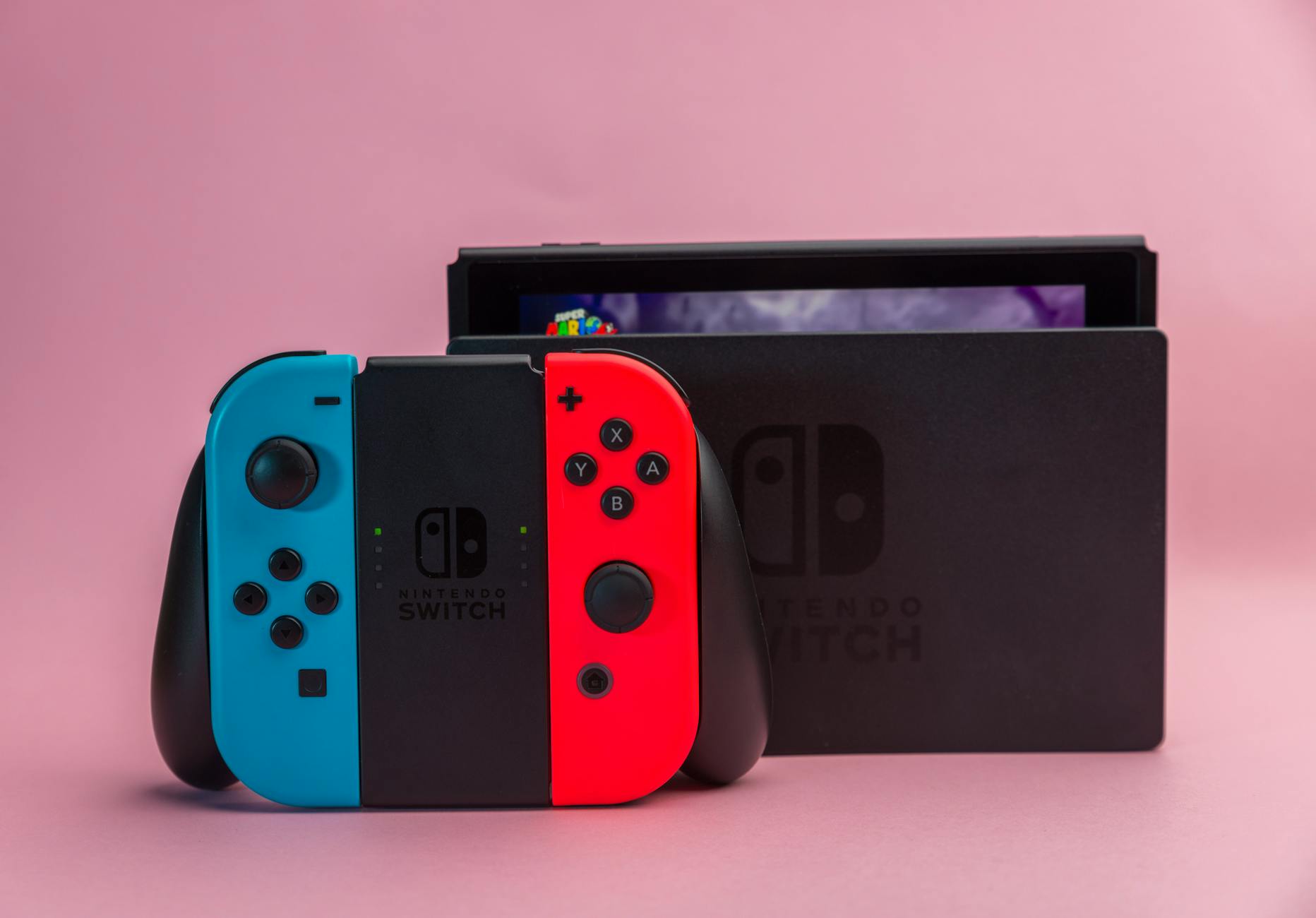
Photo by Michael Adeleye on Pexels
What Challenges and Opportunities Lie Ahead for Nintendo?
Looking forward, Nintendo faces both familiar challenges and exciting opportunities. The rise of cloud gaming, virtual reality, and increasingly sophisticated mobile gaming platforms present continuous competition for consumer attention. However, Nintendo's strengths—its unparalleled IP portfolio, its knack for innovative hardware design, and its deep understanding of family-friendly entertainment—position it well to navigate these shifts. The continued success of the Switch demonstrates their ability to adapt and thrive. Their future might see further integration of augmented reality, new hybrid console concepts, or even deeper dives into interactive experiences that leverage their unique character roster. The key will remain their ability to surprise and delight players with experiences that are fundamentally different and irresistibly fun, much as they have done for decades.
Frequently Asked Questions
Q: What is Aviator?
A: Aviator is a social multiplayer crash game where an increasing multiplier curve can crash at any time. It moves away from traditional slot mechanics to offer a real-time, decision-based experience.
Q: How does Aviator work?
A: You place a bet and watch a plane take off with a rising multiplier. Your task is to click "Cash Out" before the plane flies away. If the plane disappears before you settle, your bet is lost.
Q: Can I play Aviator for free?
A: Yes. Most licensed platforms offer a "Demo Mode" where you can use virtual credits to practice the timing and explore the interface without any financial risk.
Q: Is Aviator a slot game?
A: No, it is classified as a "Crash" or "Instant" game. It does not use reels, symbols, or paylines; instead, it relies on a single rising multiplier and player-controlled exit points.
Q: Can I play Aviator on mobile?
A: Absolutely. The game is built on HTML5 technology, making it fully compatible with all modern smartphones, tablets, and desktop browsers.
Q: Is Aviator easy for beginners?
A: Yes. The rules are intuitive: watch the number go up and click before it stops. However, we recommend starting with the demo to get used to the speed of the flight.
Q: Is there a strategy for Aviator?
A: While the outcome is random, many players use the "Double Bet" strategy—cashing out one bet at a low multiplier (like 1.5x) to cover costs, while letting the second bet run for higher gains.
Q: Is Aviator available everywhere?
A: Availability depends on your local gambling laws and the specific casino operator’s license. Always verify the legal status of online gaming in your region before playing.
Q: How do I know the game is fair?
A: Aviator uses "Provably Fair" technology. This means the result of each round is generated via a transparent cryptographic hash that any player can independently verify after the round ends.
Q: What is the maximum win in a single round?
A: The multiplier can technically reach 10,000x, but this is extremely rare. Maximum payouts are also subject to the specific limits set by the casino platform you are using.